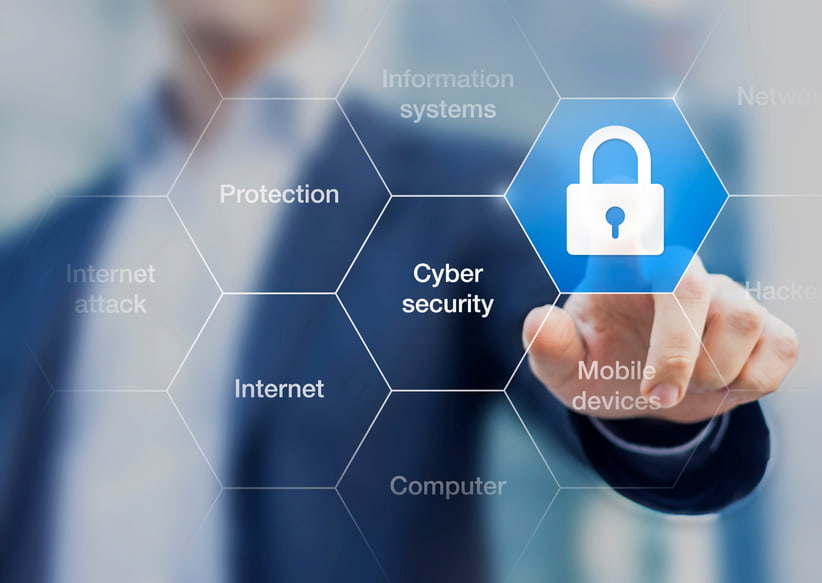
For businesses of all shapes and sizes in the UK, the digital landscape we live in offers a myriad of opportunities, helping owners reach more customers and use the best technologies on the market. However, the digital growth does come with its fair share of threats, most notably being cyberattacks.
All companies need to be proactive in their approach to enhancing their cybersecurity. A robust cybersecurity strategy will not only protect your critical business data, but help in maintaining trust with customers, clients, and stakeholders. If you operate online, here are some important security strategies to put in place today.
Educate Your Team
Educating your team about the dangers of cyber threats should be the first line of defence. Employees need to understand the risks linked with suspicious emails, unsecured networks, and unsafe websites. Therefore, implementing specialist training programmes can help staff in recognising phishing attacks, how to create a strong password and the importance of updating software.
Make sure to conduct regular cybersecurity awareness sessions which can bring you peace of mind too knowing your employees are kept up-to-date and use the best tools and software to keep your operation protected.
Use a Robust Firewall
The purpose of a firewall is to act as the initial defence line against cyberattacks. This is done by controlling internet traffic that flows in and out of your business network. With that said, you must have got a robust firewall in place. This will stop hackers from gaining access to your system and data while deterring potential threats too.
More and more businesses are offering remote working opportunities than ever before, which means it’s just as important to have personal firewalls installed too. Encourage staff who work from home to have a firewall installed on their network as this will go a long way in maintaining security across the board.
Implement Multi-Factor Authentication
Multi-factor authentication adds another layer of security to your business by requiring users to provide two or more verification factors to gain access to a resource. Whether it’s documents or logins to business portals, having this defence in place is essential for protecting your brand and livelihood.
Make sure to implement multi-factor authentication across your company systems, especially for access to sensitive data. Doing so will significantly reduce the risk of unauthorised access. If you’re sharing PDF files, you can check out pdf-tools.com who have a compressor tool that can help protect confidential information and keep your documents secure.
Update Software Regularly
Software updates often include patches for security vulnerabilities that hackers can exploit and use to their advantage. You need to be updating all your software regularly, such as operating systems, firmware, and applications. Doing all three can drastically lower the risk of a breach.
As a business owner, we appreciate you’re strapped for time. Rather than worrying about this process, there is the option to automate updates which will ensure they’re not overlooked. Most applications and software have options for automatic updates, meaning you can be confident in the knowledge you’re protected and have the latest security patches behind you.
Use Secure and Updated Hardware
Although software security is paramount, hardware can also be a vulnerability if it’s not secured properly. You need to ensure you have secure routers and servers in place. Where possible, encrypting hard drives can add an extra layer of protection.
Should your hardware be out of date, this can pose as a significant risk that could have devastating consequences for your business. It’s your responsibility to update and replace any outdated hardware. Taking this step will help in preventing potential exploits and ensuring your business remains secure.
Backup Regularly
One of the cornerstones of an effective cybersecurity strategy is to regularly backup your data. This involves creating a copy of your company’s important data and housing it in an off-site location or a secure cloud service. Should a cyberattack take place or any form of data loss, your backup serves as a safety net and prevents permanent data loss.
Make sure you have a regular schedule established for these backups. Whether you choose to do this daily or weekly, it will all depend on how you operate your business. Also, regularly test your backups to ensure they can be restored correctly. Going one step further, you should have a comprehensive disaster recovery plan in place. This can outline steps to take to restore normal business operations after a severe data loss incident.
Encrypt Sensitive Data
One of the primary concerns for any business is the protection of sensitive data. Encryption converts your data into a code that’s unreadable without a decryption key. Ultimately, this can effectively protect your data, regardless of whether it falls into the wrong hands. Make sure you implement encryption across your systems to secure both customer and business data.
Also, it’s equally as important to use encryption when transmitting data across networks. This step can help protect your brand from attacks where cybercriminals try to intercept and steal data during transmission.
Manage User Privileges and Monitor User Activities
Another crucial aspect of cybersecurity is proactively managing user privileges. In any business, what you’ll find is some employees don’t need access to every piece of information. Limiting user access to only the information they need to perform their the job lowers the potential damage from internal threats or if a cybercriminal compromises an account.
It’s essential you monitor user activities too, especially for those who have access to sensitive information. As long as you regularly review and update these privileges as roles change within the business, you can rest easy knowing your brand is protected.
Devise a Comprehensive Cybersecurity Policy
A comprehensive cybersecurity policy provides clear guidance for employees both new and long-serving. This should outline their responsibilities in maintaining cybersecurity. Your policy should also cover acceptable use of systems, data management, and password and user account practices.
Make sure your cybersecurity policy is communicated clearly to all members of staff. This policy must form part of the onboarding process for new hires. As technology advances, you must regularly review and update your policies to account for new threats and changes within the business.
Create An Incident Response Plan
Despite implementing any of the precautions above, the threat of a cyberattack can never be ruled out entirely. In fact, a survey conducted by the UK government found that 39% of UK businesses identified a cyber attack in 2022. This is where an incident response plan comes into the equation. This can outline the steps your company will take in the event of a cyberattack, starting from identifying the breach, containing the damage, recovering from its effects, and communicating with clients and stakeholders throughout the process.
Although, having a plan isn’t enough. You need to be regularly testing the incident response plan through simulated exercises. Doing this will make sure your company is ready to effectively respond to a cyber incident, which can minimise disruption and damage. After completing each test, your learning should be noted down and put into the plan to improve your company’s response capabilities.
Protecting your business from cyber threats should be top of your agenda, especially if you solely operate online. It doesn’t matter what types of products or services you sell, if there is data and money to be stolen, cybercriminals will take it. Utilising any of our methods above into your operation are sure to bulletproof your operation and reduce the risk of becoming a victim of a cyberattack.
Read Also
- What Makes Permanent Tooth Replacement A Life-Changing Option?
 Missing teeth can cause serious discomfort and lower your self-esteem. Many people struggle with everyday tasks like eating meals and speaking clearly to friends. Traditional dentures offer a quick fix but often slip or feel completely unnatural. A modern approach provides a secure fit that feels exactly like real teeth – giving you true peace… Read more: What Makes Permanent Tooth Replacement A Life-Changing Option?
 - Where to Find Reliable Mental Health Support for TeensHave you noticed changes in your teen’s mood, sleep, or behavior that leave you worried? Growing up can bring stress from school, friends, family, and new demands. Some teens may struggle to share their feelings or ask for help, even when they need support. Finding the right mental health support for teens can help them… Read more: Where to Find Reliable Mental Health Support for Teens
- Top Trends Shaping the Future of Mental Health CareMental health care is moving fast to meet daily human needs. People want direct care that fits modern life. Clinics respond by creating flexible options that make healing easier to reach. Providers look past rigid habits to give people solid care. From smart tools to body wellness, these changes help people find relief when life… Read more: Top Trends Shaping the Future of Mental Health Care
- Full-Arch Dental Tourism: Why UK Patients With Severe Bone Loss Are Looking AbroadDental implants have become one of the fastest-growing segments of private dentistry. Within that market, one patient group behaves very differently from the rest: people who have been told they do not have enough upper jawbone for conventional implants. For these patients, the choice is rarely between one clinic and another. It is between a… Read more: Full-Arch Dental Tourism: Why UK Patients With Severe Bone Loss Are Looking Abroad
- Levels of Mental Health Care and When to Seek SupportMental health care can range from occasional outpatient appointments to 24-hour hospital treatment. The appropriate level depends on safety, symptom severity, daily functioning, medical needs, available support, treatment history and personal preferences. A licensed clinician should assess these factors rather than relying on a symptom list alone. Need help now? In the United States, call… Read more: Levels of Mental Health Care and When to Seek Support